“Forgotten Refugee Crisis”
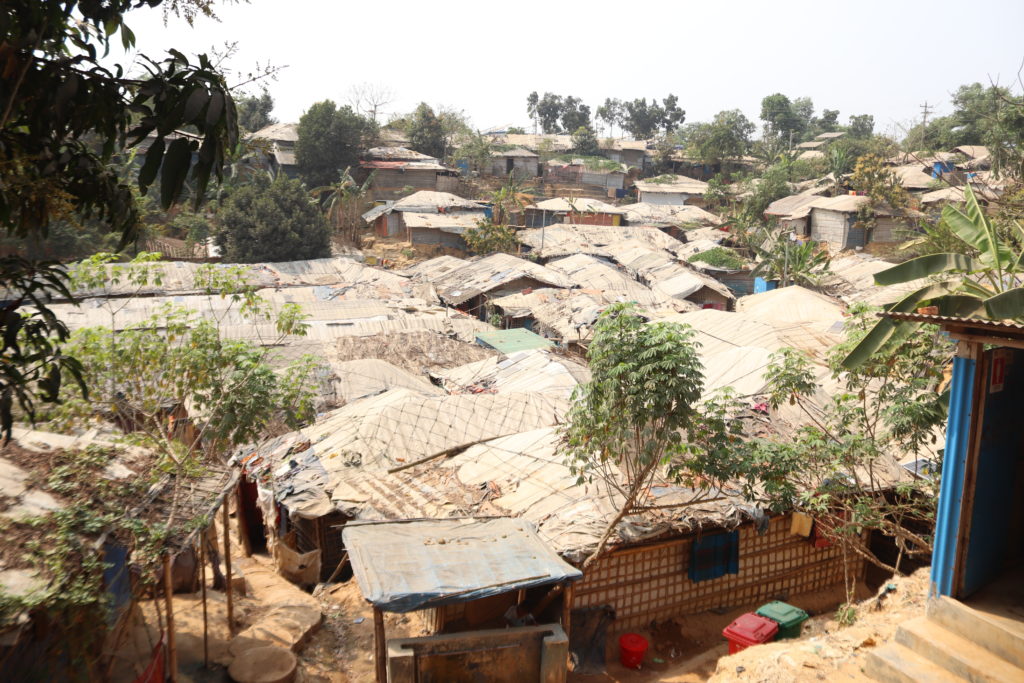
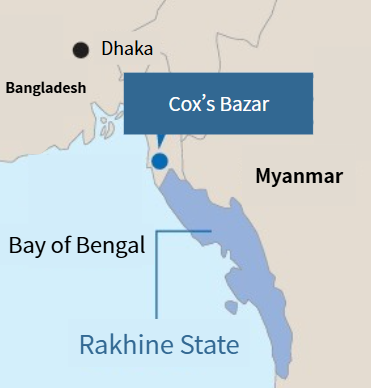 On August 25, 2017, the Rohingya, an ethnic minority from Myanmar’s Rakhine State, fled to neighboring Bangladesh after suffering brutal violence at the hands of the Myanmar military, which claimed countless lives. Today, the refugee camps in Cox’s Bazar, where many sought refuge, have become one of the largest refugee settlements in the world, hosting nearly one million people. However, the camps remain far from a safe living environment. Armed group conflicts, human trafficking, and illegal drug trade continue to threaten the safety and security of camp residents. Between July and August 2024, Bangladesh itself experienced large-scale demonstrations that ultimately forced the prime minister to resign. It is expected that restoring administrative functions and stability will take time.
More than seven years have passed since the crisis began, yet no clear path toward repatriation has been established. What was meant to be temporary life in refugee camps has become increasingly prolonged. At the same time, humanitarian crises caused by conflicts and disasters continue to emerge around the world. As a result, the Rohingya refugee crisis has increasingly become what is often described as a “forgotten humanitarian crisis,” receiving less attention from the international community. People living in the camps face severe restrictions on education and employment opportunities and remain heavily dependent on humanitarian assistance for daily survival. Despite these ongoing needs, international aid funding has continued to decline year by year.
*Donations supporting this project are eligible for tax deductions in Japan, either as income deductions or tax credits.
*As a principle, MdMJ does not allocate donations exclusively to a single project. All donations received are distributed across its humanitarian and medical support activities.
Prolonged Camp Life and Its Impact on Health
This prolonged situation is also having a serious impact on people’s health. Due to limited healthcare resources, priority is often given to infectious disease control, leaving responses to non-communicable diseases (NCDs)* — one of the leading causes of death in Bangladesh — insufficient. In the refugee camps, prolonged displacement, worsening insecurity, and uncertainty about the future are known to increase the risk of NCDs such as hypertension. Furthermore, the worsening of these illnesses can also contribute to mental health conditions including depression. In fact, healthcare providers in the camps are increasingly prescribing antidepressants alongside medications for NCDs.
*NCDs refer to preventable, non-infectious illnesses such as cardiovascular diseases, cancer, diabetes, and chronic respiratory diseases. These conditions are often caused by unhealthy lifestyles — including poor diet, alcohol consumption, and smoking — as well as socioeconomic factors such as poverty.
Médecins du Monde’s Activities
Layered Stress Factors Are Undermining Mental Health
Growing Need for Mental Health Care Amid Prolonged Displacement
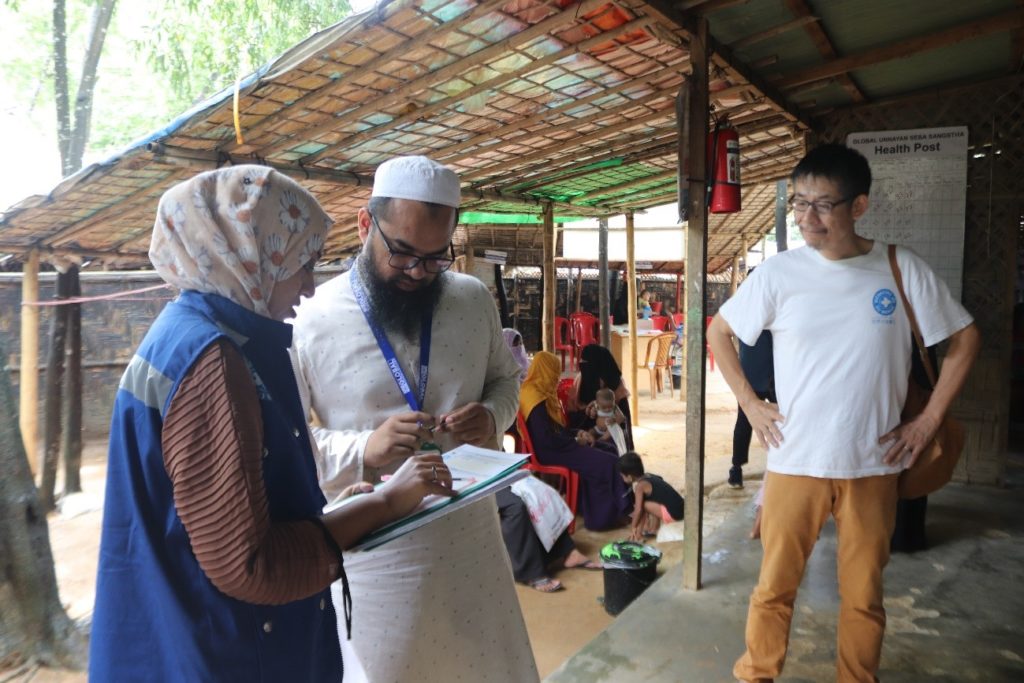
As life in the refugee camps becomes increasingly prolonged, the need to address NCDs continues to grow. MdMJ has been providing emergency health/medical assistance in the refugee camps since September 2017, immediately after the crisis began. In 2021, the organization launched an NCDs prevention project built around two key pillars: “health education” and “capacity building for healthcare workers.” In addition, responding to growing mental health needs, basic mental health support activities were introduced in March 2024. Through active listening and supportive communication, these activities aim to help reduce anxiety and emotional distress among camp residents.
“Health Education” and “Capacity Building for Healthcare Workers”
Empowering People to Care for Themselves in an Uncertain Future
Working together with local NGOs, MdMJ recruits and trains volunteers from both the Rohingya refugee population and host communities to provide health education. Using easy-to-understand flip charts with illustrations and diagrams, volunteers explain topics such as when to seek medical care, appropriate amounts of salt, sugar, oil consumption, and simple exercises that can be done even in confined living spaces. Health education is designed not only for individuals but also for their family members, encouraging family-wide support and participation. Furthermore, MdMJ is also focusing on providing basic mental health training to its volunteers and staffs at medical institutions. By gaining accurate knowledge about maintaining health, preventing illness, and accessing healthcare services, people living in the refugee camps are better equipped to protect and improve their own health in the future.
Message from Project Coordinator
|
|---|
|
< Support us here >
There is no end in sight to the Rohingya refugee crisis, yet staying healthy is necessary for the time when they can start living under freedom. Please consider supporting us in resolving this humanitarian crisis that is happening right here in Asia. *Donations supporting this project are eligible for tax deductions in Japan, either as income deductions or tax credits. 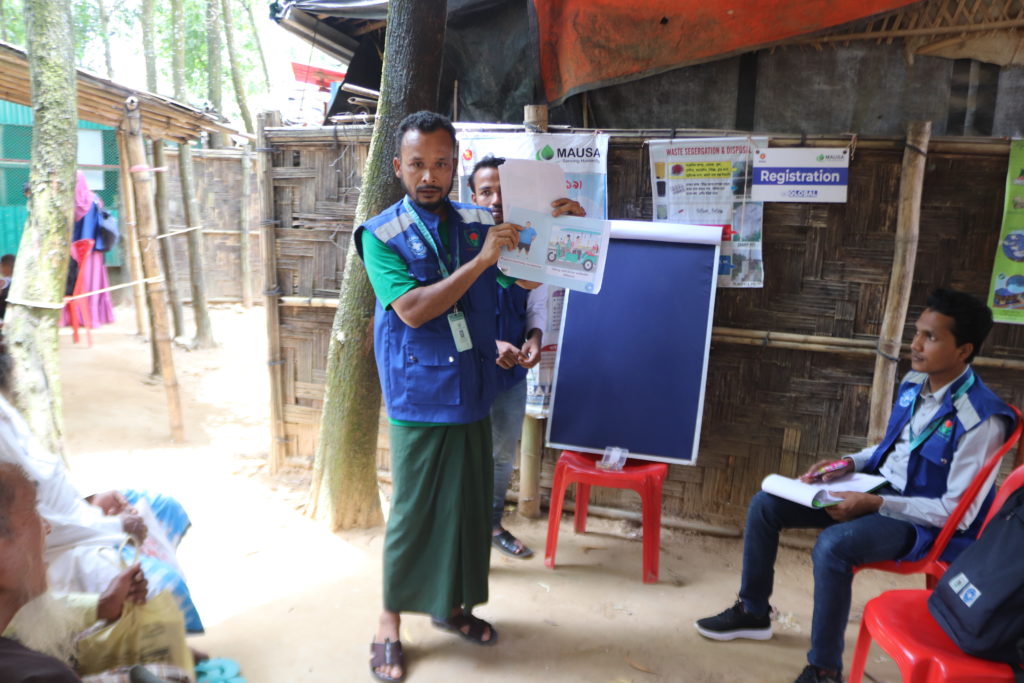 ©MdM Japan |
|---|


