Médecins du Monde Japan (MdMJ) is implementing a non-communicable diseases (NCDs) prevention project in the Rohingya refugee camps and the surrounding host communities in Cox’s Bazar, Bangladesh. The project has two main pillars: preventive awareness-raising through health education conducted by community health volunteers, and strengthening the capacity and systems of partner healthcare facilities.
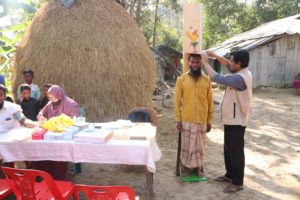
On December 28, 2024, MdMJ organized an NCDs awareness event in a host community area. The event had previously been postponed due to the aftermath of the political unrest in August, but was finally able to take place.
In the host community, awareness-raising activities are usually conducted in areas surrounding community clinics. However, the areas covered by these clinics are vast, and many residents live in remote locations that require 40 to 50 minutes of travel one way by public transportation such as three-wheeled auto-rickshaws known locally as “tomtoms.” Many of these residents do not even know where the clinic is located, and some have never received health education or basic health screenings such as blood pressure or blood glucose checks before.
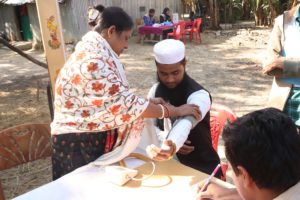
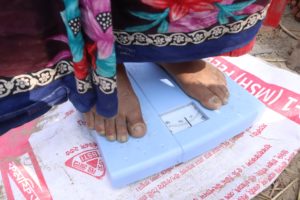
The purpose of the NCDs prevention event was to provide health education and health screenings to these underserved populations, while increasing awareness of NCDs prevention. Prior to the event, community health volunteers informed residents about the event through village leaders and local representatives. Although the organizers initially expected around 20 participants, the event ultimately attracted 49 people—more than double the anticipated number—including 15 men and 34 women.
| Blood pressure screening | 49 participants (15 men, 34 women) |
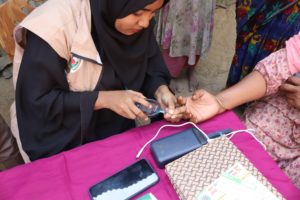
| Blood glucose screening | 44 participants (13 men, 31 women) |
| Individual health education for participants with abnormal blood pressure | 8 participants (2 men, 6 women) |
| Individual health education for participants with abnormal blood glucose | 4 participants (all women) |
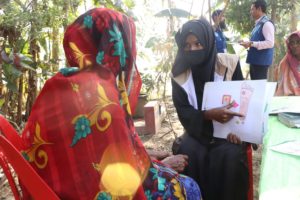
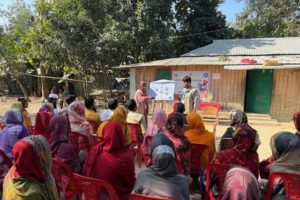
Participants shared the following feedback after the event:
| Anowara (Female, not diagnosed with NCDs) “I had never received this kind of health education before. Through the session, I learned about the importance of eating vegetables and the dangers of consuming too much salt and oil. I also have a habit of chewing tobacco, but now I want to reduce the amount I chew.” |
|---|
| Tofura (Female, hypertension and diabetes) “I have hypertension and diabetes and take medicine prescribed by a hospital. This was the first time I had received this kind of health education. I learned about the importance of balanced meals, eating vegetables, exercising, and avoiding excessive oil intake. I realized I need to reduce the amount of oil I consume.” |
|---|
| Laila (Female, hypertension) “I have hypertension, and I only go to a village doctor to get medicines when I feel unwell. No one had ever come to such a remote place before, so everything about the event was meaningful to me. This was my first time receiving health education, and I learned that I need to reduce my salt intake.” |
|---|
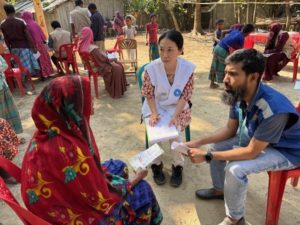
While the event successfully improved awareness of NCDs prevention and motivated participants toward healthier behavioral changes, the number of attendees still represents only a small portion of the population living in remote areas. The event highlighted the continuing need for preventive outreach activities and improved access to NCDs healthcare services in underserved communities. MdMJ will continue its efforts to improve people’s access to healthcare services and health information.
All photosⒸMdM Japan


