In both the Rohingya refugee camps and the surrounding host communities, many people suffer from non-communicable diseases (NCDs) such as hypertension and diabetes due to a lack of exercise, unbalanced diets, smoking habits, fragile healthcare systems, and insufficient access to health information. Preventing and properly managing these diseases remains an urgent challenge. Médecins du Monde Japon launched an NCDs prevention project in March 2021 with support from the Ministry of Foreign Affairs of Japan. Since then, the project has continued annually, carrying out preventive awareness raising activities through community health volunteers while also strengthening the capacity and systems of partner healthcare facilities in both the refugee camp and the host communities.
For many residents, long-standing personal habits and social customs cannot be changed overnight. It is therefore necessary to repeatedly provide accurate information, monitor whether healthy practices are being implemented, and support gradual behavioral change over time. Below is a report on the activities conducted in the refugee camp and the host communities during November and December.
Refugee Camps
Health Education and Monitoring for NCDs Prevention and Management

General health education on NCDs prevention and management through household visits targeting adults aged 20 and above
Individual health education for adults aged 40 and above living with NCDs and their family caregivers and supporters
During household visits, leaflets summarizing key health education messages were distributed to each household. At the same time, group health education sessions were also conducted for patients aged 20 and above and their family members visiting partner clinics.
Results for November and December
General health education participants: 772
Individual health education participants:
Adults aged 40+ living with NCDs: 465
Primary caregivers/supporters: 458
Group health education participants: 127
Total participants: 1,822
Monitoring of NCDs Screening and Clinical Services
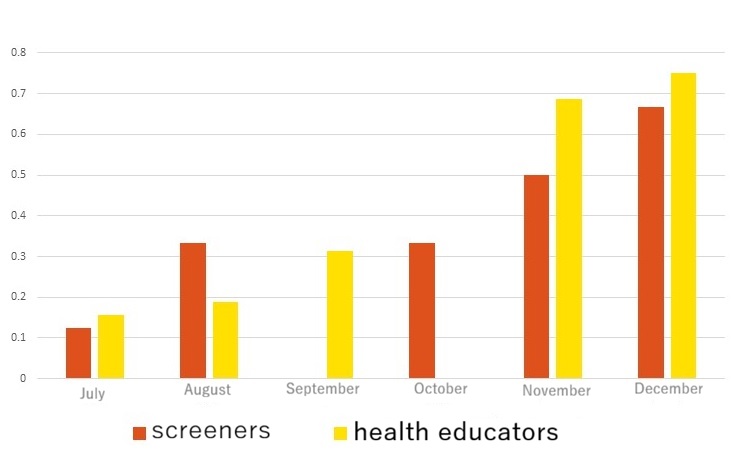
NCDs focal staff conducted monitoring visits twice a week at partner clinics to assess NCDs screening and clinical services. They evaluated and provided guidance to the screeners responsible for NCDs examinations and judging patients’ NCDs status and to Health Educator providing health education.As shown in the monitoring results, staff capacities have steadily improved over time.
。
Trends in monitoring results
Host Communities
Health Education and Monitoring for NCDs Prevention and Management
Similar to the activities in the refugee camp, volunteers conducted both general and individual health education under expert supervision. Calendars featuring NCDs prevention messages and slogans were also produced and distributed to households during health education activities so that residents could regularly access and remember the information.
Results for November and December
General health education participants: 1,037
Individual health education participants:
Adults aged 40+ living with NCDs: 488
Primary caregivers/supporters: 432
Total participants: 1,957
Monitoring of NCDs Screening and Clinical Services
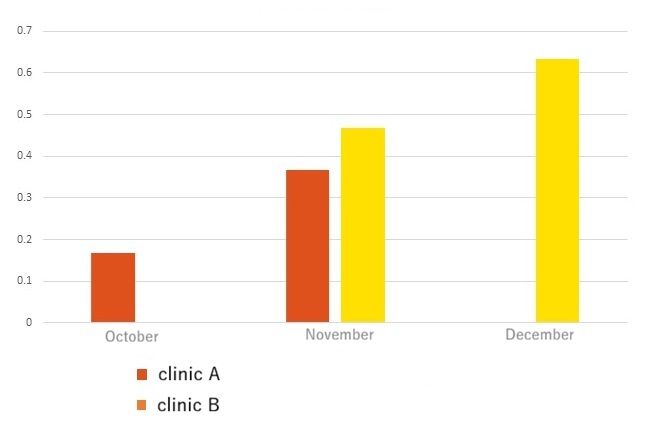
NCDs focal staff conducted monitoring visits twice a week at two clinics in host communities. They evaluated NCDs screening and treatment services and provided guidance and recommendations based on the assessment results.
Clinic Tour Program
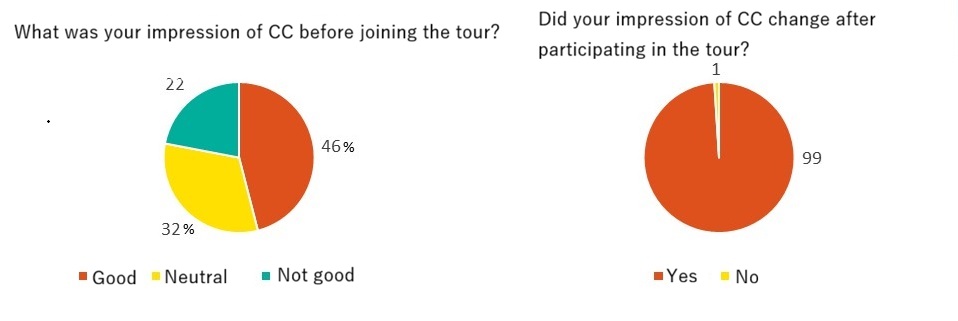
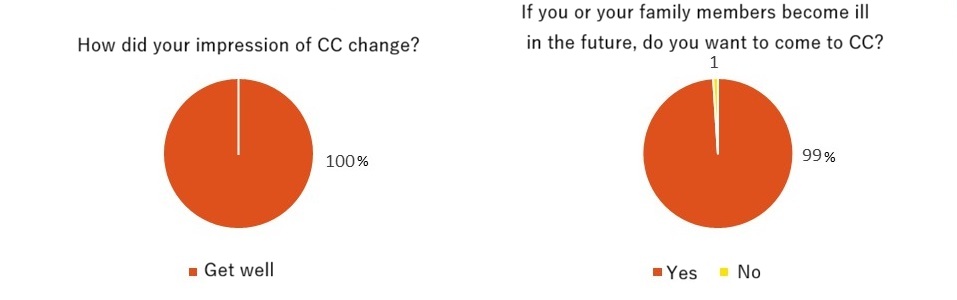
Once a week, clinic tours were organized for adults aged 20 and above and their family members who had participated in health education sessions and expressed interest in visiting local clinics. As of the end of December, a cumulative total of 211 participants had joined the tours. After each tour, opportunities were created for dialogue and exchange between participants and healthcare staff (For more details: https://www.mdm.or.jp/news/26805/).
Following the participation in the tours, residents showed greater understanding of screening and clinical services and expressed more interest in utilizing healthcare services.
Clinic Tour Survey Results