Médecins du Monde Japan (MdMJ) is implementing a non-communicable diseases (NCDs) prevention project in the Rohingya refugee camps and surrounding host communities in Cox’s Bazar, Bangladesh.
The project has two main pillars: preventive awareness-raising through health education conducted by community health volunteers, and capacity-building support for partner healthcare facilities.
In our health education, one major challenge has been the lack of access to accurate health information within communities. Many people had developed unhealthy lifestyle habits that worsened their health conditions without realizing it. Therefore, it was essential to provide practical and understandable health guidance. MdMJ trains volunteers to explain not only what people should avoid, but also what concrete alternatives they can adopt in their daily lives. Using illustrations and photo based materials, the sessions are designed to be easy to understand and immediately actionable.
Recently, interviews were conducted with participants from the host community living with NCDs who had received health education. All of them described becoming more aware of the importance of health, changing their habits, and putting what they learned into practice. Many also reported noticeable improvements in their physical and mental wellbeing.
| Tosrima (35 years old) Diagnosed with hypertension and diabetes. Participated in three health education sessions. Family: husband, two sons, and one daughter all living together. 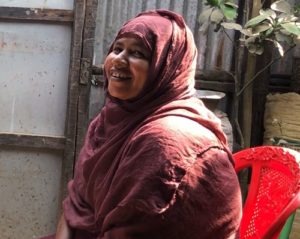 After experiencing several difficult hospitalizations in the past, she says she never wants to go through the same suffering again. Her husband encourages her by reminding her to stay healthy for the sake of their children, while her daughter supports her by recommending to exercise and helping manage meals. She appreciates the volunteers’ health education because it is practical and delivered through personalized household visits, and hopes the support will continue. Previously, she often felt exhausted from high blood pressure and spent much of her time lying down. Now, she feels physically better, emotionally calmer, and happier. She also switched from a private hospital to a local clinic following the volunteers’ recommendation, reducing her medical expenses. |
|---|
| Before Health Education | After Health Education |
| Excessive sugar intake (homemade sweets, pitha*) | Reduced pitha consumption; eats cucumbers and carrots when hungry |
| Excessive carbohydrates | Eats rice only once a day and roti** for other meals |
| Excessive salt intake | Measures salt with a spoon |
| Excessive oil intake | Measures oil with a spoon |
| Lack of exercise | Exercises regularly with encouragement from her daughter |
** Roti: unleavened flatbread made from whole wheat flour
| Mizorani Shama (67 years old) Diagnosed with hypertension and diabetes (Diagnosed with diabetes 17 years ago and lost sight in one eye a week after due to diabetic retinopathy). Participated in four health education sessions. Family: husband, son, daughter, and grandchildren. 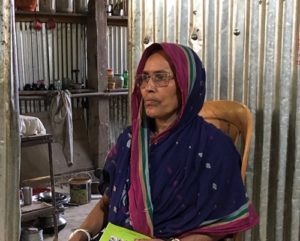 She says the shock and regret of losing her eyesight remain profound, and she fears her condition worsening further. Until now, no one had ever provided her with information about maintaining good health. She wishes she had learned earlier how changing her lifestyle could have helped. After receiving health education, she feels healthier and stronger. Her husband, children, and grandchildren support her by helping manage medication and household tasks, while her son, a student, gives her advice and encouragement. She believes she can continue maintaining these healthier habits and says, “We must take care of the bodies God has given us.” |
|---|
| Before Health Education | After Health Education |
| Excessive carbohydrates | Reduced sugar to two spoonfuls; eats roti and more vegetables, with small amounts of fish instead of meat and eggs |
| Chewing tobacco (20 times/day) | Reduced to after meals only (3 times/day); chews gooseberries*** at other times |
| Excessive salt intake | Measures salt with a spoon |
| Excessive oil intake | Reduced oil use from 5 liters/month to 2 liters/month |

| Shuki Rahman (70 years old) Diagnosed with hypertension and heart disease. Participated in four health education sessions. Family: wife and five sons (four living in Malaysia and one elsewhere in Bangladesh). 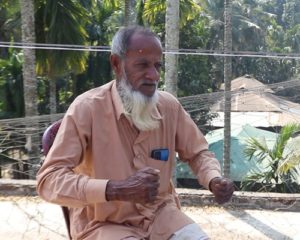 He says resisting the urge to chew tobacco was difficult, but he never wants to experience the suffering caused by heart disease again. Although he had visited many doctors before, no one had ever given him such detailed guidance. He found the volunteers’ individualized health education extremely helpful. He now feels healthier and has regained his appetite. He has also started farming and caring for cattle and goats. His daughters-in-law help manage his medication and carefully measure salt and oil when cooking. Following the volunteers’ advice, they now transfer cooking oil into a smaller bottle to control usage. He expresses gratitude to God for his health and says he wants to remain healthy for as long as God allows him to live. |
|---|
| Before Health Education | After Health Education |
| Sugary tea 5–6 times/day | Reduced tea consumption to 1–2 times/day and decreased sugar intake |
| Excessive salt intake | No longer adds extra salt |
| Lack of exercise | Walks 30–40 minutes every morning after prayers |
| Chewing tobacco and smoking | Quit chewing tobacco 5–6 months ago; first replaced it with chocolate, later switched to gooseberries |
| Jahida Akter (41 years old) Diagnosed with diabetes and hypertension, both of which worsened during pregnancy with her youngest child. Participated in four health education sessions. Family: husband and five children (ages 1–17). 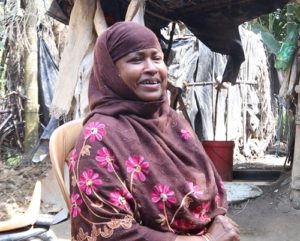 Previously, her condition was poorly controlled and she often felt unwell, believing she might eventually die. Although she knew lifestyle changes were necessary, she did not truly believe they would help. After repeated encouragement from volunteers, she tried making small changes and began to notice improvements in her health. This convinced her of the effectiveness of lifestyle modification. She now feels stronger and healthier, and says she is grateful to the volunteers. She also believes staying healthy is important so she can continue supporting her children’s education in the future. |
|---|
| Before Health Education | After Health Education |
| Excessive oil intake | Uses a small bottle and measures oil with a spoon |
| Excessive salt intake | No longer adds extra salt and measures the amount with a spoon |
| Chewing tobacco (4–5 times/day) | Reduced to 1–2 times/day |
| Lack of exercise | Increased activity through caring for cattle, housework, and farming |
| Excessive carbohydrates | Reduced rice intake and increased vegetables |
From these interviews, four key factors appear to contribute to successful behavioral change:
1. Family support and involvement
(encouragement, monitoring, medication management, cooking adjustments)
2. Personal roles, responsibilities, and values
(wanting to stay healthy for children and family; associating health with happiness)
3. Experiences of illness and suffering
(wanting to avoid severe symptoms, hospitalization, and medical costs)
4. Faith
(gratitude toward God and valuing the body as a gift from God)
Health education is provided not only to people living with NCDs, but also to their family members, helping improve the health of entire households while strengthening support for patients. These activities continue not only in host communities but also in the refugee camps. MdMJ will keep working to help people adopt and sustain healthier lifestyles through repeated education and support.


